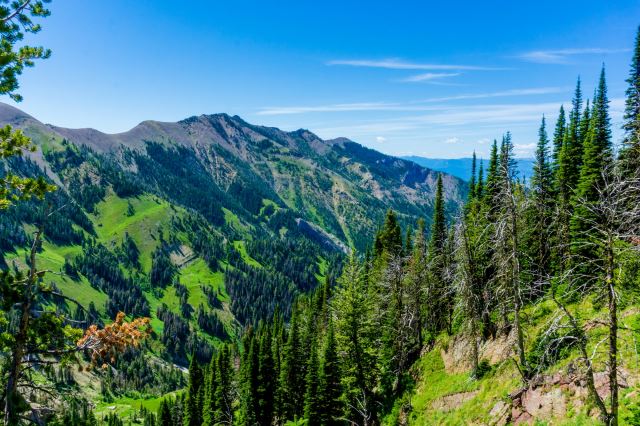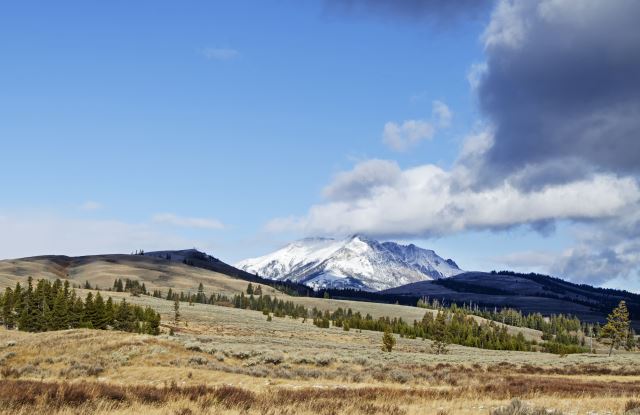



Helena is the capital of Montana, set among mountains, forests, and open valleys in the western part of the state. Its identity is closely tied to the gold mining that shaped the early settlement, while the modern city combines historic architecture with an active arts community and extensive outdoor recreation. Last Chance Gulch forms the centre of downtown, with a pedestrian mall surrounded by shops, restaurants, galleries, and historic buildings. Helena also provides access to nearby trails, lakes, and the Missouri River, making the city a useful base for exploring the landscapes of central Montana.
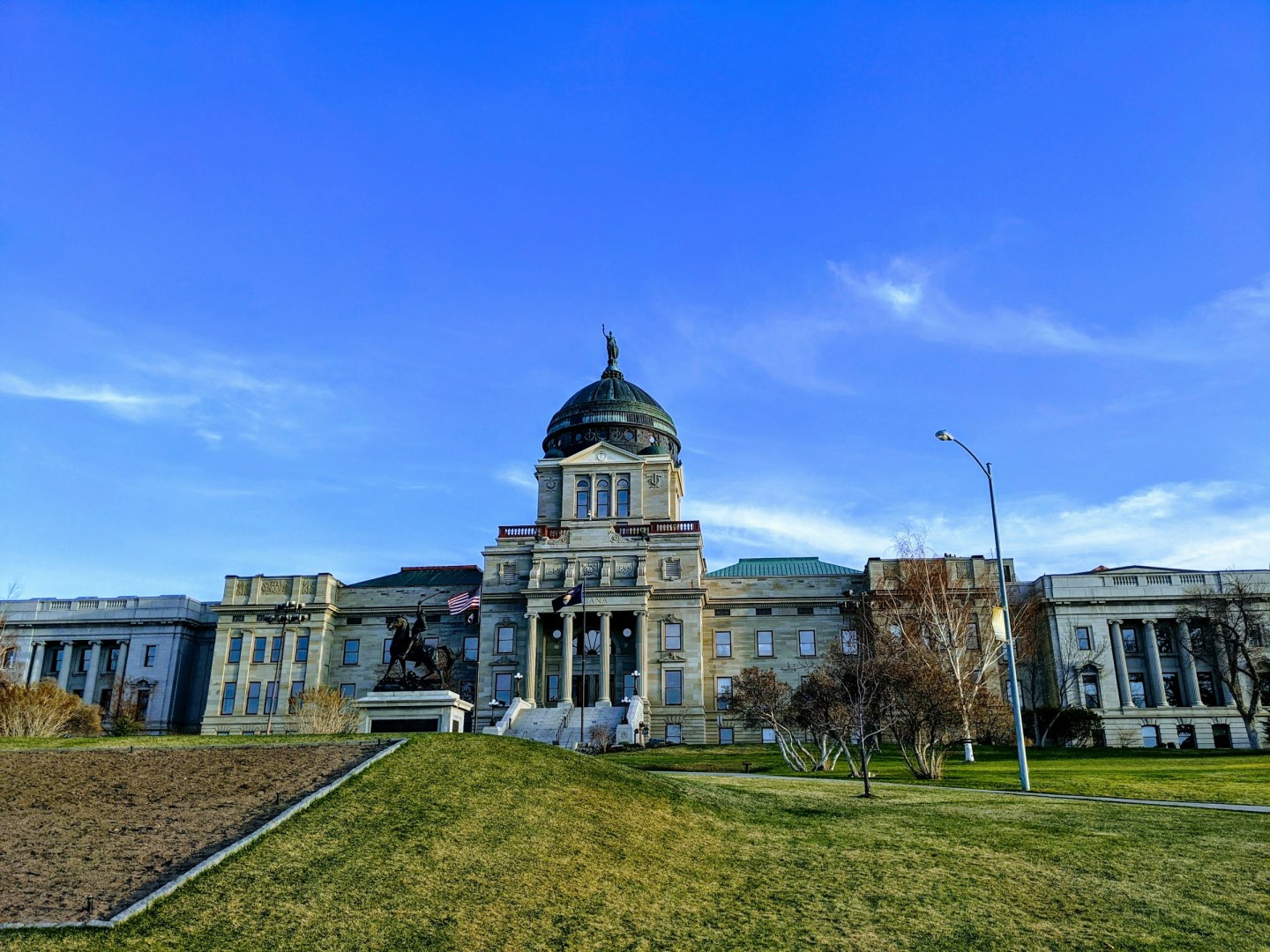
Helena’s cultural history includes deep connections to the Blackfeet, Salish, Crow, and Bannock peoples, whose ancestral relationships with the region predate the city’s development. The discovery of gold brought miners and merchants to Last Chance Gulch, creating a prosperous community whose wealth can still be seen in historic homes and civic buildings. Reeder’s Alley preserves a collection of early brick structures and a pioneer cabin, while the Montana State Capitol contains historic murals and architectural details. The Cathedral of St. Helena, with its stained-glass windows and Gothic Revival design, is another prominent city landmark.
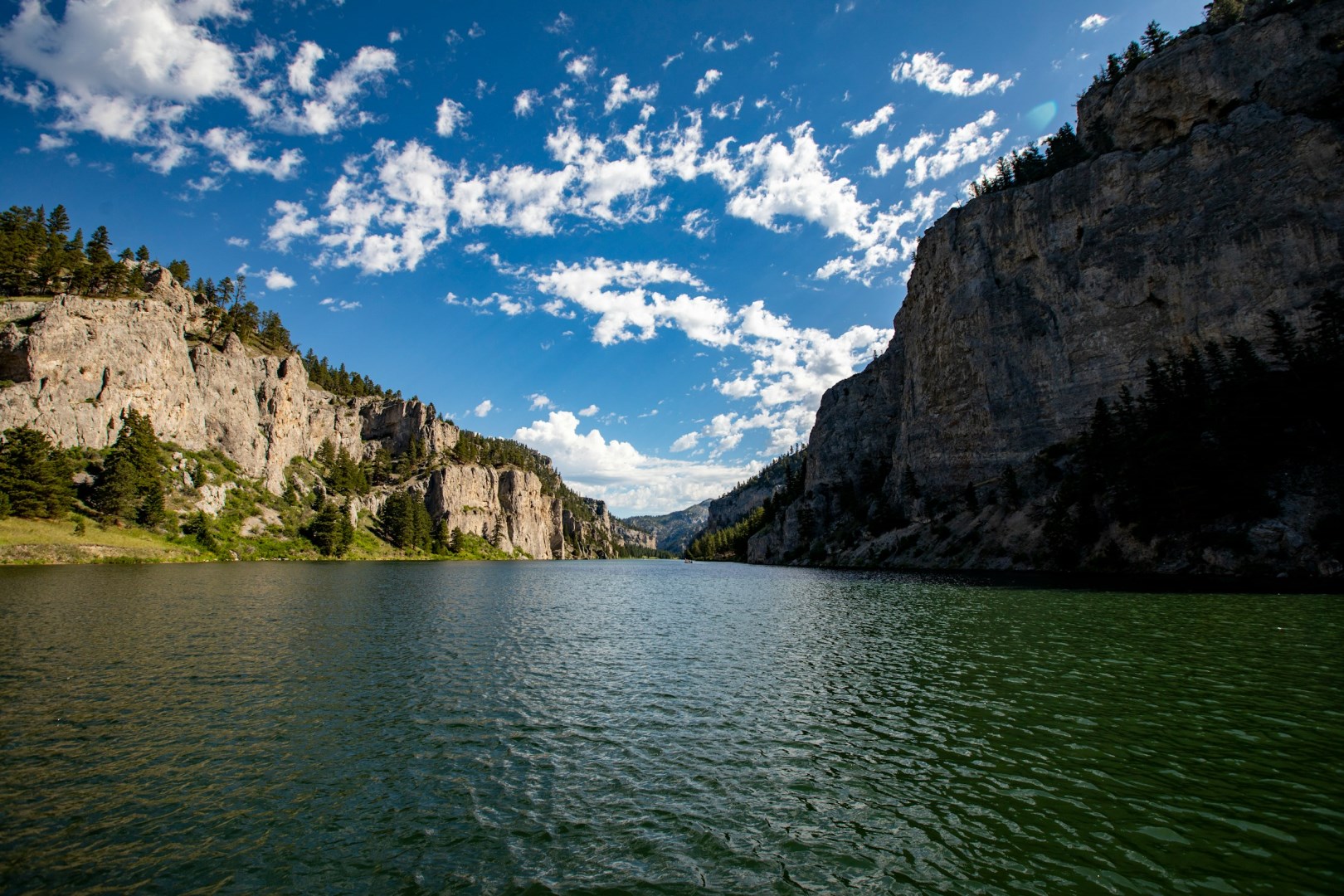
Outdoor recreation is woven into Helena’s surroundings. The South Hills Trail System provides extensive routes for hiking and mountain biking, with paths leading through pine forests and rocky terrain around Mount Helena. Nearby, the Gates of the Mountains area follows the Missouri River through a narrow canyon framed by tall limestone cliffs. Boat tours travel through the canyon, where visitors may see bighorn sheep, mountain goats, birds, and other wildlife. Within the city, Spring Meadow Lake State Park offers swimming, fishing, picnicking, and walking, while the extensive local trail network provides access to the hills surrounding Helena.
Helena has a diverse local food scene that includes Montana beef, locally produced beer, baked goods, and ingredients from nearby farms and ranches. Downtown restaurants and breweries are concentrated around Last Chance Gulch, while the Helena Farmers’ Market brings regional producers into the city during the warmer months. The city also has an important connection to ceramics through the Archie Bray Foundation for the Ceramic Arts, an internationally recognised centre for artists and ceramic research. Museums, galleries, live music venues, and the Holter Museum of Art add further depth to Helena’s cultural life beyond its political role as Montana’s capital.
Learn More About Helena
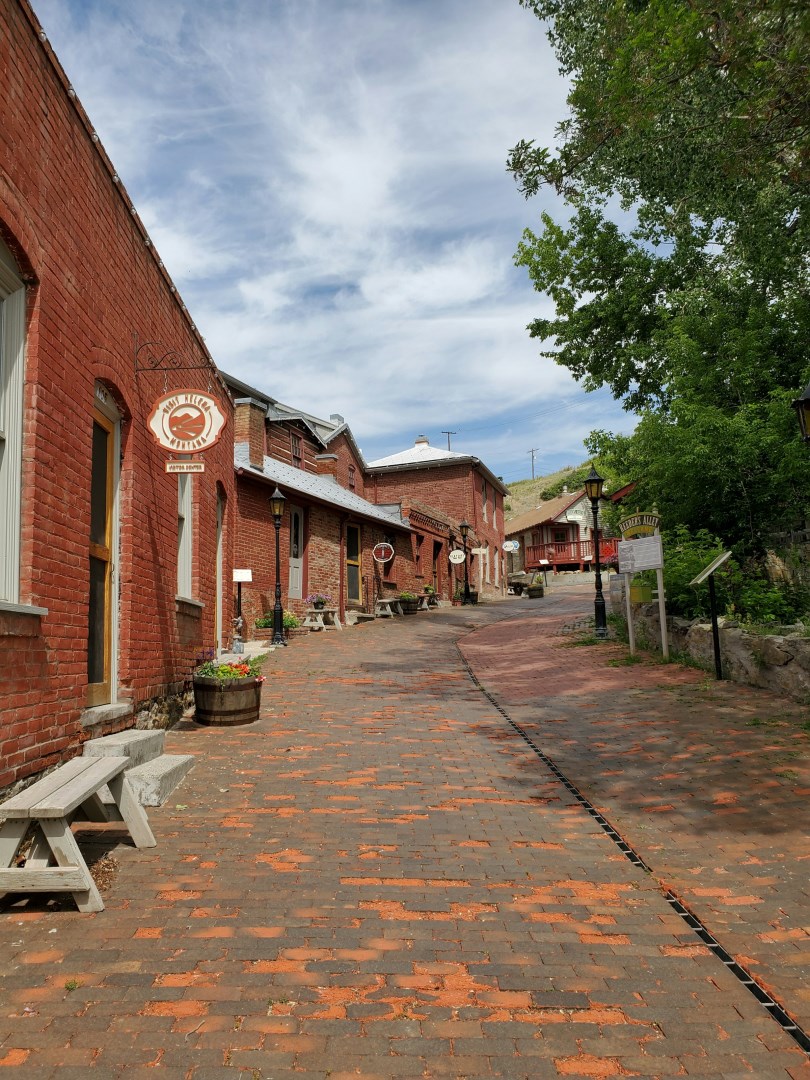
Reeder’s Alley is a narrow historic lane in downtown Helena, Montana, preserving one of the oldest intact residential areas associated with the city's early settlement. The brick buildings were constructed for workers and families during Helena's mining era and provide a compact view of the town's early urban landscape. Today, the alley sits close to the modern downtown district while retaining its small-scale buildings, gardens, and pedestrian paths. Its location near the base of Mount Helena also places it close to the city's historic core and several cultural attractions.
The alley offers insight into the lives of people who lived and worked in early Helena, including miners, laborers, and immigrant communities. Its history also reflects the Chinese presence in the developing settlement and the practical building methods used in the area. The buildings are part of a designated historic district listed in the National Register of Historic Places. Reeder’s Alley is also connected with the Pioneer Cabin, one of the few surviving structures representing Helena's earliest residential period. Together, the cabin and alley provide a tangible link to the city's mining-community origins.
The compact alley itself is the main attraction, with brick walls, small historic buildings, landscaped areas, and interpretive features arranged along a pedestrian passage. The Pioneer Cabin stands at the entrance and can be viewed through its windows when tours are not operating, while guided tours provide additional context about early Helena. Reeder’s Alley also serves as a starting point for some Helena history walks. From the site, visitors can easily reach Last Chance Gulch, the city's historic commercial center, as well as other downtown landmarks, museums, and government buildings.
Reeder’s Alley is not primarily a food destination, but its present-day buildings contain restaurants, offices, nonprofit organizations, and visitor services. This continued use gives the historic district a practical role within modern Helena rather than leaving it solely as a preserved exhibit. Its modest architecture is particularly notable because it contrasts with the larger mansions and public buildings associated with Helena's later prosperity. The alley also illustrates how Helena's development extended beyond the wealthy sections of the city, preserving a smaller-scale residential environment associated with workers and ordinary families who helped establish the community.
Other Popular Destinations in Montana